Trying to decide between a brand-new build and an established home in Wildwood? It is a smart question, because in this market, the answer is not just about age. Wildwood’s layout, zoning, lot sizes, and development rules can make the experience of buying new very different from buying resale. If you understand how those pieces fit together, you can choose with more confidence and fewer surprises. Let’s dive in.
Why Wildwood makes this choice unique
In many suburbs, new construction and established homes are spread more evenly across the map. Wildwood works differently. The city’s Town Center plan identifies a mixed-use growth area centered at Routes 100 and 109, while much of the rest of Wildwood remains lower-density and subdivision-based.
That matters because where the home sits often matters as much as whether it is new or older. A newly built home in or near Town Center can offer a very different lot, layout, and neighborhood structure than an established home in one of Wildwood’s longer-standing subdivisions or non-urban areas.
Where new construction is typically found
If you are looking for new construction in Wildwood, you will usually be focused on Town Center and other carefully planned development areas. According to the city, Town Center covers about 820 acres and represents only about 2% of Wildwood’s land mass. That helps explain why true new-construction opportunities can feel more concentrated here than in some nearby communities.
One current example is The Reserve at Wildwood, a newer builder community near 100 and 109. The community sits on 50 acres, is authorized for up to 115 homesites, and advertises to-be-built homes from $588,950, along with move-in-ready opportunities.
For buyers, that usually means new construction in Wildwood is less about scattered infill and more about targeted, planned communities or carefully approved homesites.
What established homes often offer
Established homes in Wildwood can give you a more settled feel from day one. You may find mature trees, a completed street pattern, and a neighborhood identity that has had time to develop. In many cases, you can also see how the area functions in real life before you buy, including traffic flow, common-ground upkeep, and homeowner routines.
Many established neighborhoods are also HOA- or trustee-managed. The city maintains a subdivision trustees list, and neighborhood examples show a range of structures. Winding Woods, for instance, describes itself as a neighborhood more than 30 years old with 140-plus homes and a $300 annual fee, while Westhampton Woods lists 190 single-family homes with common ground and trustee oversight.
That does not make one option better than the other. It simply means resale buyers should review neighborhood governance, annual fees, and maintenance expectations as closely as they review the house itself.
Lot size can change the decision
One of the biggest Wildwood-specific differences is lot size. Nationally, the Census reports a median lot size of 8,545 square feet for new single-family homes completed in 2024. In Wildwood, zoning can create a much wider range.
According to the city’s zoning code, some planned residential districts in suburban areas allow minimum lots of 15,000 square feet, while certain non-urban planned residential lots must be at least 1 acre and some special-circumstances lots must be 3 acres. The code also states that no lawful new lots may be created under 3 acres except for local public utility facilities. You can review those standards in the Wildwood zoning code.
For you, that means the question is not simply, “Do I want new or old?” It is also, “Do I want a more compact homesite in a planned area, or do I want more land and a different level of privacy and maintenance responsibility?”
Utilities and site planning matter
In Wildwood, utilities can be part of the decision too. The city’s planning documents note that the non-urban area is generally not served by public sewer or water. That can affect how you compare a new home in a planned development with an established home or custom build on a larger lot.
If you are considering building in a non-urban area, the process is more involved than many buyers expect. The city’s new residential construction checklist for non-urban properties requires items such as plot and foundation plans, a tree-preservation plan, and clearing limits. The city also requires a pre-construction meeting and tree-protection fencing before authorization is released.
This is one reason buying an established home can feel simpler. With resale, much of that site work and permitting process is already behind you.
New construction pros in Wildwood
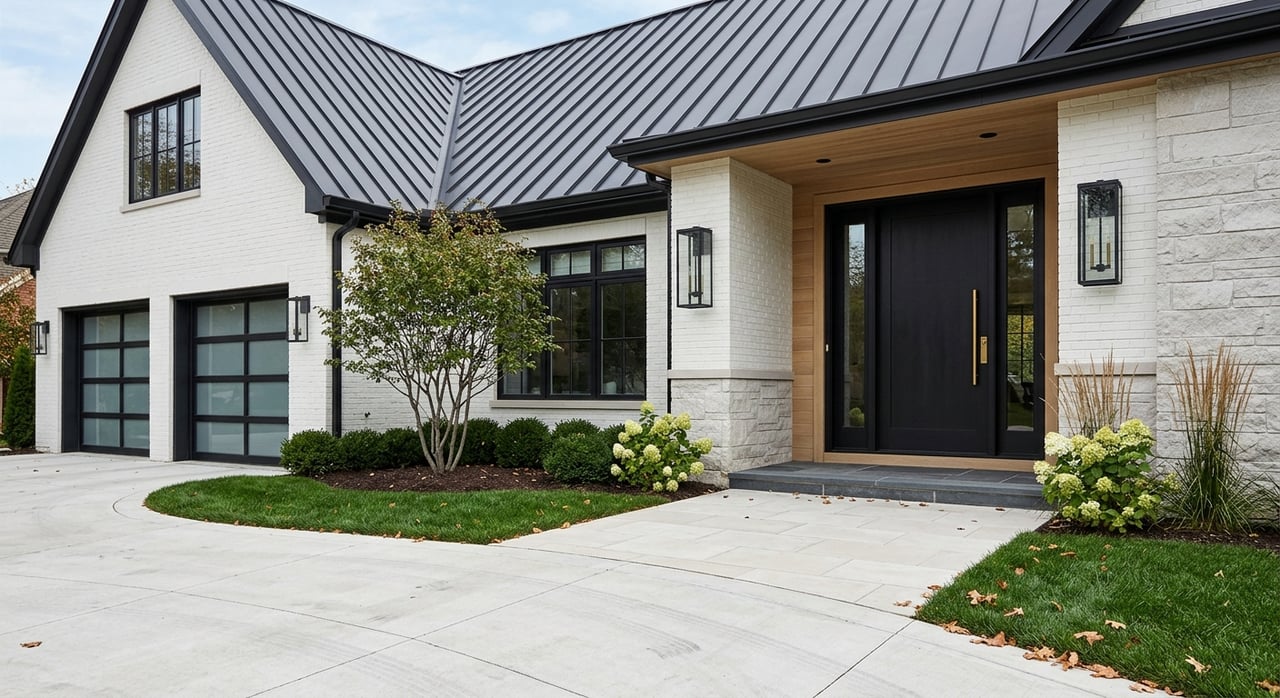
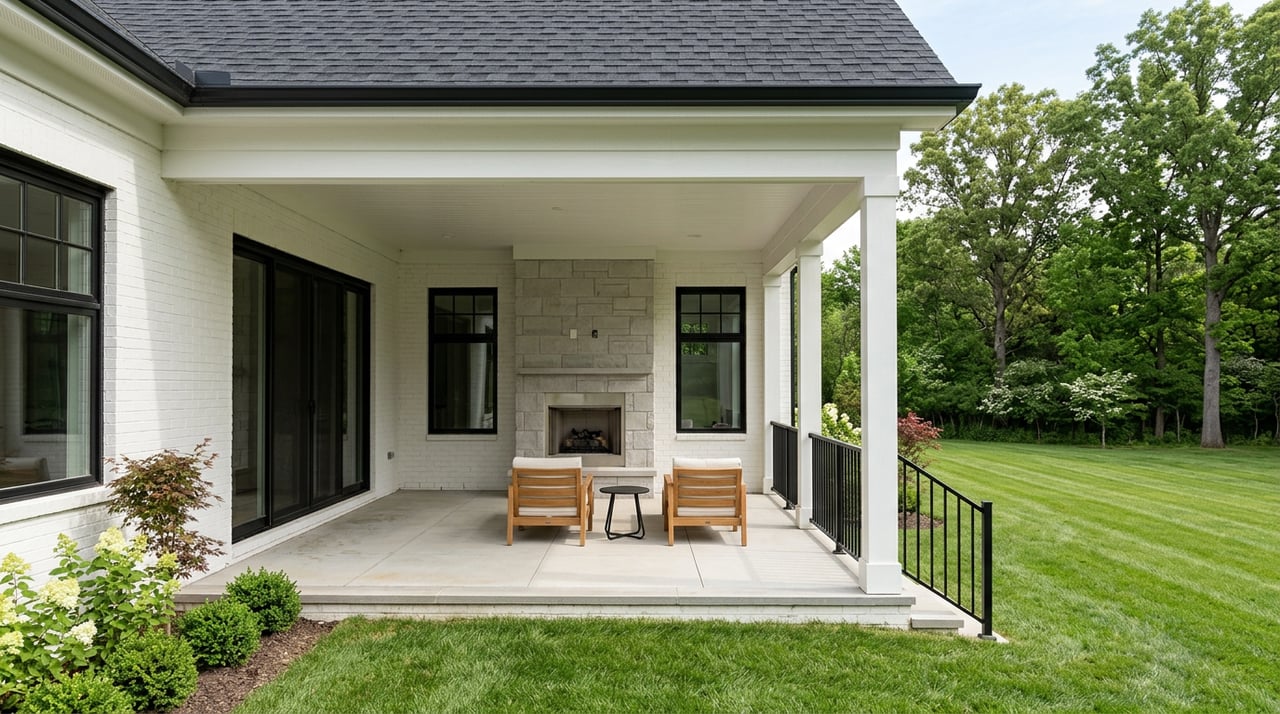
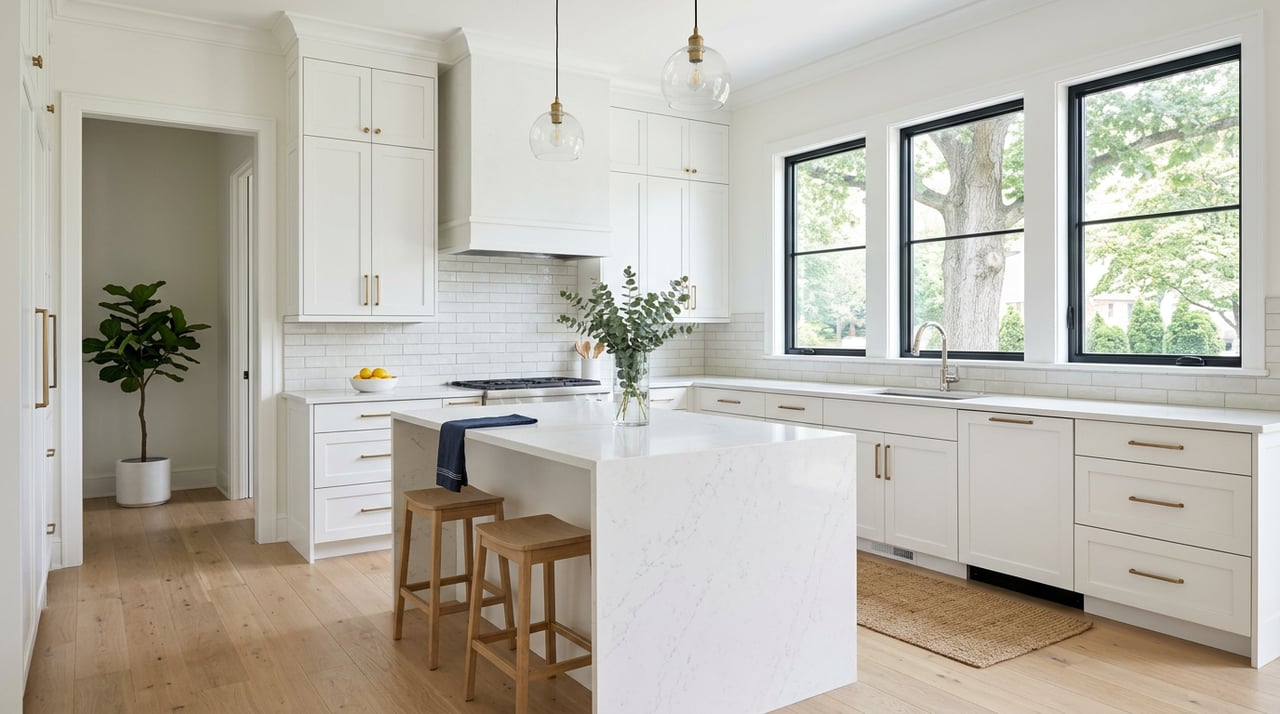
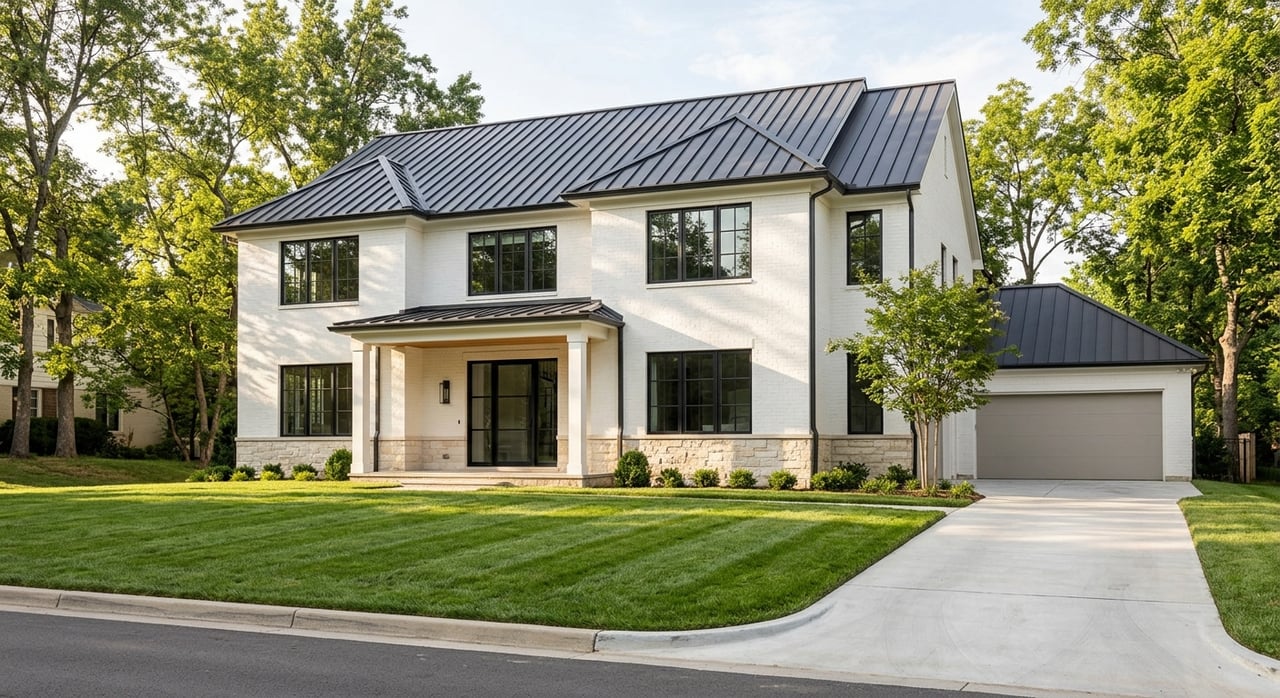
If you like clean finishes, current layouts, and lower near-term maintenance, new construction can be very appealing. In a community like The Reserve at Wildwood, builder materials highlight options such as ranch, 1.5-story, and two-story plans, 3-car garages, Low-E windows, hardwood flooring, and upgraded kitchen finishes. Current plan pages show homes ranging from about 1,669 to 4,058 square feet.
New construction can also give you a clearer picture of expected service after closing. McKelvey states that its homes come with a one-year warranty and a ten-year structural warranty, plus 2-month and 11-month service walk-throughs. When you compare builders, warranty terms and post-closing support are worth reviewing line by line.
Another benefit is choice. Depending on the builder and homesite, you may be able to select a to-be-built home, a quick move-in property, or a more customized path. McKelvey also notes that it builds custom homes on your own lot, which is different from choosing from a preset neighborhood plan.
Established home pros in Wildwood
Established homes can shine in a different way. You often get a more mature setting, and in some cases, larger lots or landscaping that would take years to recreate. You can also evaluate the exact home, lot, and surroundings as they exist today rather than making decisions from plans, renderings, or unfinished streetscapes.
Resale can also be the better fit if your timeline is short. You can move faster on an existing home than on a build that still needs approvals, construction, and final completion.
Established homes may also offer value through updates already completed by prior owners. That said, you will want to look carefully at age, condition, and any deferred maintenance.
Construction timeline expectations
One of the biggest differences between new and established homes is timing. In Wildwood, the city reviews zoning compliance first, while St. Louis County handles building permits and inspections. The city says zoning authorization for non-urban residential construction is usually ready within 5 to 7 business days before county submittal, but that is only one part of the full process.
The broader timeline is much longer. Census data show that new privately owned residential buildings in the Midwest took 8.7 months on average from start to completion in 2022. That does not mean every home takes exactly that long, but it does set a useful expectation that new construction is typically measured in months, not weeks.
If you need flexibility on move-in timing, this is one of the clearest tradeoffs to weigh.
How to compare resale value
It is easy to assume a new home will always hold an advantage, but resale value is more nuanced than that. Freddie Mac notes that factors such as neighborhood, HOA, taxes, condition, lot size, and upgrades all matter when a home is marketed. Their guidance is a helpful reminder that long-term value is shaped by more than the home’s build date.
In Wildwood, that means future resale is likely influenced by:
- Exact location within the city
- Lot size and how usable the lot is
- Whether the home is in an HOA or trustee-managed neighborhood
- The condition of major systems and finishes
- Whether the property is in Town Center, a planned subdivision, or a non-urban area
You can see similar context in Freddie Mac’s overview of how agents evaluate marketability. For buyers here, the strongest long-term choice is usually the home that best fits the location, lot, and ownership structure you want, not just the newest home available.
Questions to ask before you decide
Before you choose a new construction or established home in Wildwood, it helps to ask a few practical questions:
- Is the property in Town Center, a planned subdivision, or a non-urban area?
- What is the lot size, and how much upkeep comes with it?
- Is there an HOA or trustee structure, and what are the rules or annual fees?
- Does the property use public sewer and water, or private systems?
- If it is new construction, is it quick move-in, to-be-built, or custom?
- What builder warranty and service process is included?
- If it is an established home, what upgrades or repairs should you budget for?
These questions can quickly bring clarity. They also help you compare two homes fairly, even when they look similar on paper.
Which option fits you best?
A new construction home in Wildwood may be the right fit if you want modern finishes, lower short-term maintenance, warranty coverage, and the chance to personalize some selections. It can be especially appealing if you are comfortable with a more planned community setting and a construction timeline.
An established home may be the better choice if you want a faster move, a more mature neighborhood feel, and the ability to judge the exact property and setting before you commit. It may also be the stronger option if lot character, existing landscaping, or neighborhood continuity are high on your list.
In Wildwood, the smartest decision usually comes down to location, lot, governance, utilities, and timing. When you weigh those factors first, the new-versus-established question often becomes much easier to answer.
If you are comparing options in Wildwood and want calm, local guidance through the tradeoffs, The Otto Group can help you evaluate the details, narrow your choices, and move forward with confidence.
FAQs
Where is most new construction located in Wildwood?
- Most new construction is concentrated in Town Center and other carefully planned development areas, rather than spread evenly throughout the city.
Do established Wildwood neighborhoods often have HOAs?
- Yes. Wildwood’s subdivision trustee resources and neighborhood association examples show that HOA or trustee governance is common in established neighborhoods.
How long does new construction usually take in Wildwood?
- City zoning review may be measured in business days for certain steps, but full home construction is generally measured in months. Midwest Census data averaged 8.7 months from start to completion in 2022.
What should you review in an established Wildwood home before buying?
- Focus on condition, updates, lot size, HOA or trustee rules, and whether the property uses public utilities or private systems.
What makes Wildwood different from other suburbs when comparing new and resale homes?
- Wildwood’s master plan, low-density development pattern, lot-size rules, and site-planning requirements make location and zoning especially important in the decision.
What should you compare in a Wildwood builder community?
- Review homesite size, plan options, included finishes, warranty coverage, HOA structure, and whether the home is move-in ready, to-be-built, or custom.